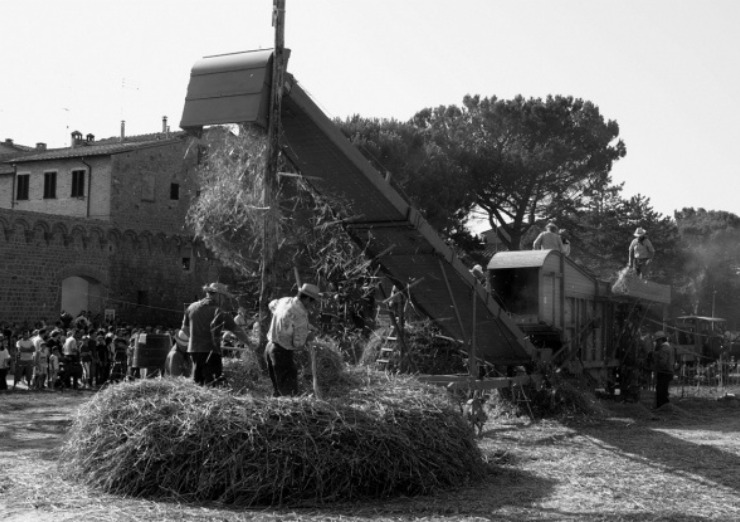
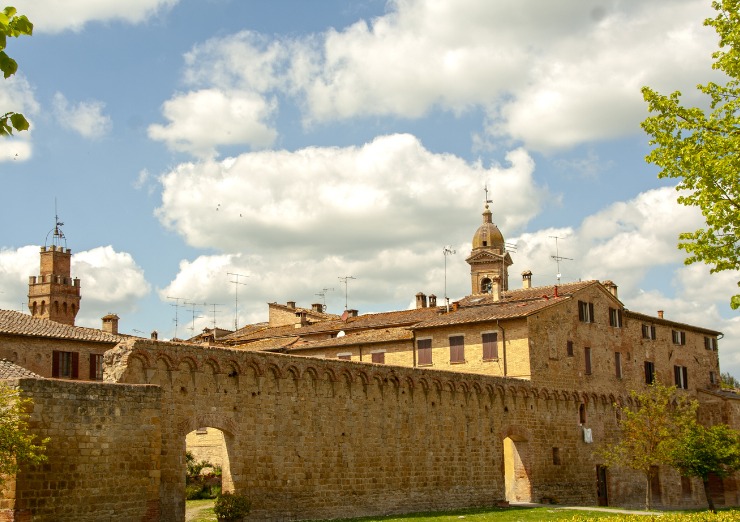
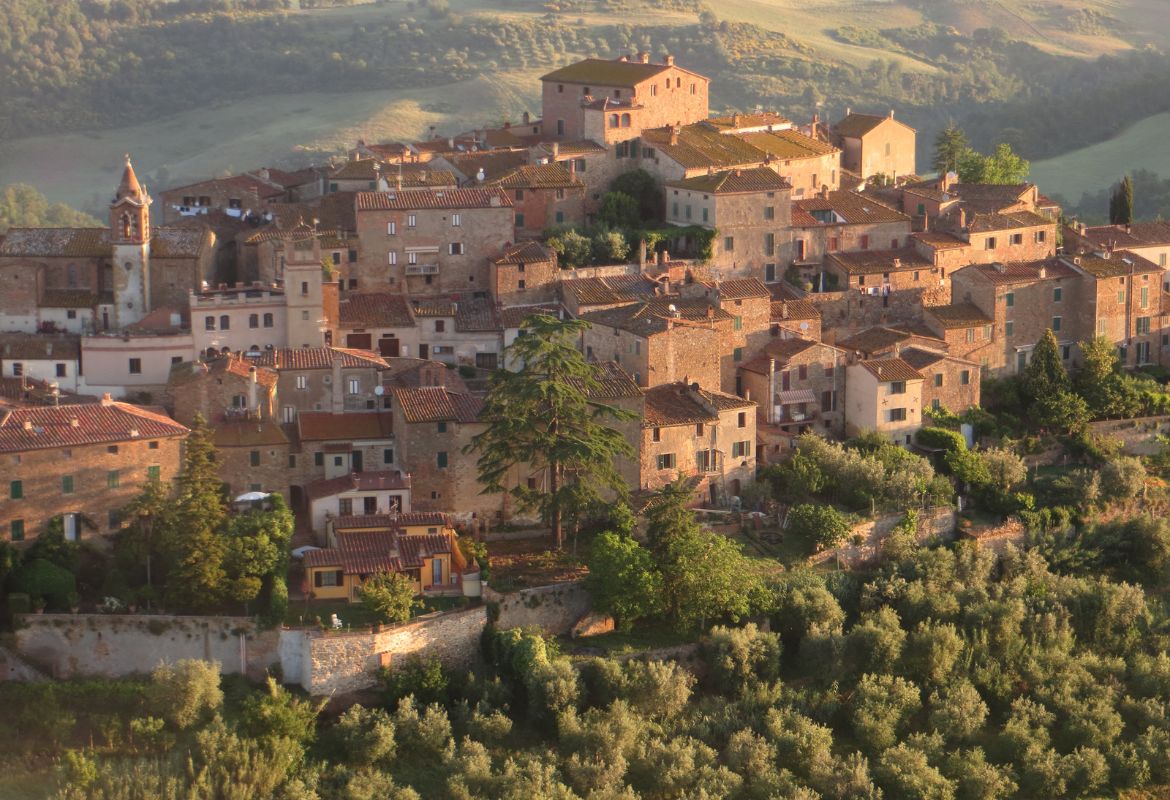
Buonconvento’s threshing festival, known locally as “tribbiatura sotto le mura,” celebrates a crucial moment in the agricultural year and a significant ritual in peasant culture.
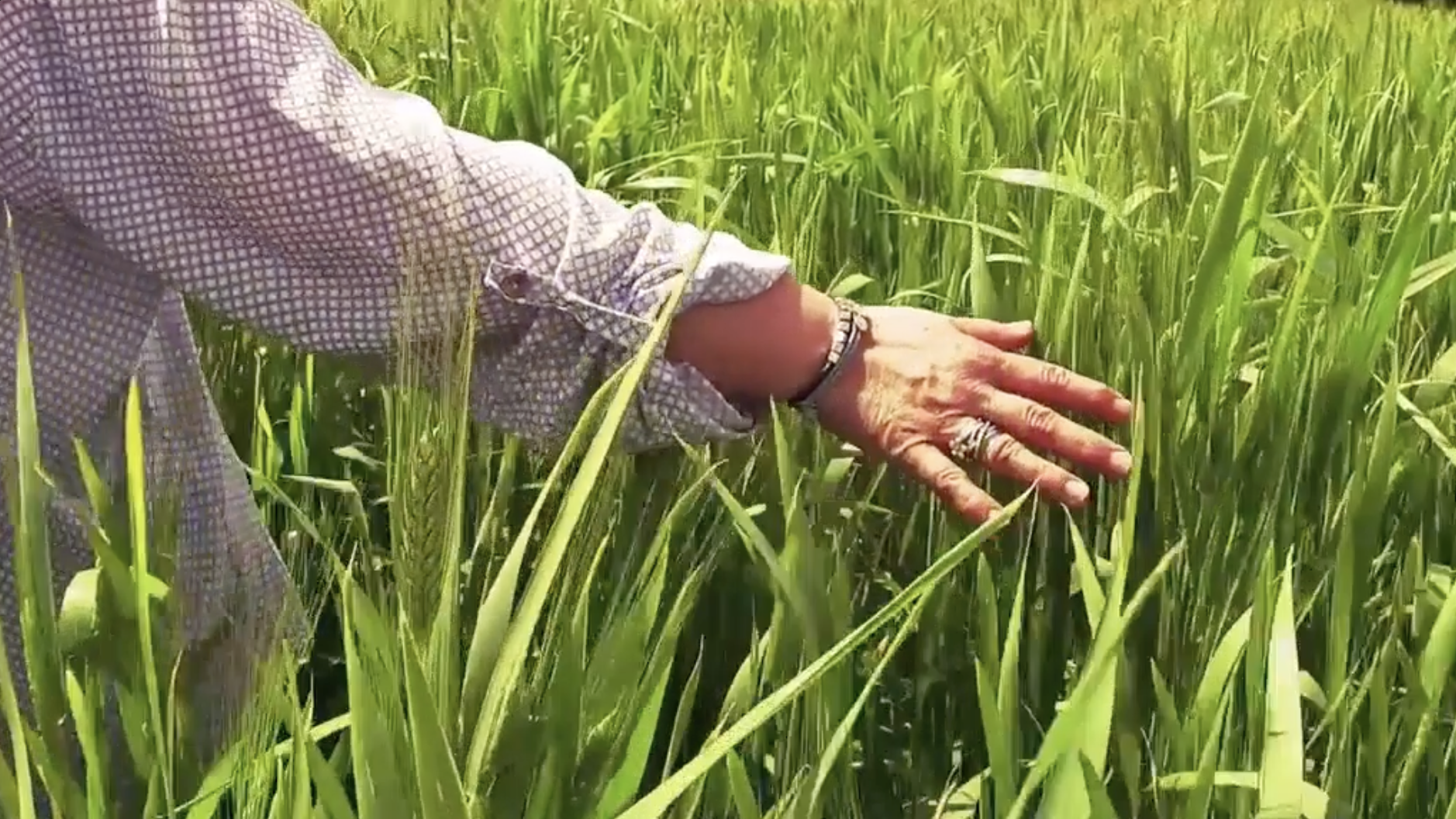
Fifteen or twenty days after the harvest, which usually took place at the end of June between San Giovanni and San Pietro, the “carratura,” or transporting the mannequins of wheat to the threshing floor, where they were piled in large piles. In late July, in the farmyard of the farmhouse, the wheat could finally be threshed: until the end of the 19th century, this was done manually with the correggiato or by trampling horses or oxen. Later, the use of the threshing machine was introduced.
The introduction of the threshing machine led to a new organization of labor and strengthened cooperative relationships between families, as up to forty people were needed to complete threshing in one day.
It was a time of great sociality, cooperation, and abundance: the grain, the main product, was finally ready to be weighed and divided between master and sharecropper, under the watchful eye of the farmer.
The family hosting the threshing offered a special lunch to the other sharecroppers, the machinists, the factor, and sometimes even the master. This lunch, called “desinare di battitura,” included the best foods reserved for festive occasions: sausages, broth soup, pasta with sauce, and stewed duck (often called locio). Since 1997, this same menu has been revived every year for the threshing dinner, a convivial event that brings together locals and tourists in front of the town walls.

 0°C - 0:00